
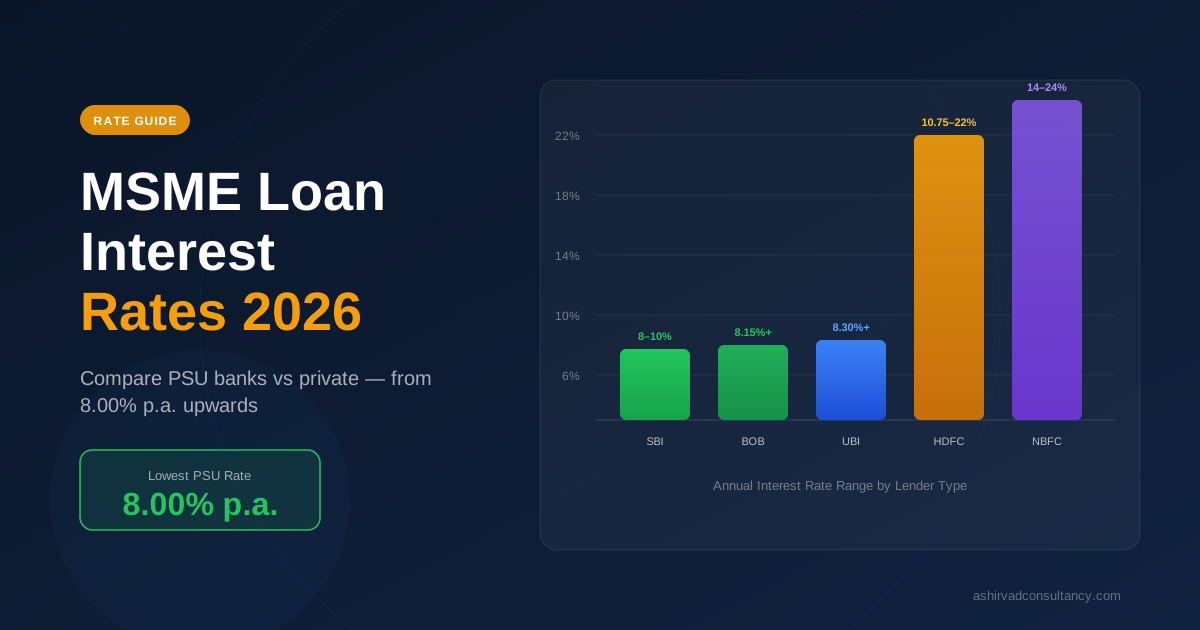
MSME loan interest rates in India range from 8% to 16% per annum in 2026 — a huge gap that can mean lakhs of rupees in extra interest over a 7-year loan. Knowing which bank to approach, and how to negotiate, is as important as getting the loan itself.
Current MSME Loan Interest Rates (2026)
| Bank | Starting Rate | Max Rate | Notes |
|---|---|---|---|
| SBI (MSME) | 8.05% | 10.5% | MCLR-linked; best for Udyam-registered units |
| Bank of Baroda | 8.15% | 11% | Competitive for machinery and term loans |
| Punjab National Bank | 8.25% | 11.5% | Good for CGTMSE cases |
| Union Bank of India | 8.30% | 11% | Active MSME lender |
| Canara Bank | 8.35% | 11.5% | Strong in Gujarat |
| HDFC Bank | 10% | 15% | Higher rate but faster sanction (7–14 days) |
| SIDBI | 7.5% | 9.5% | Lowest rate; longer process; refinance-based |
Rates are indicative and subject to your credit profile, collateral and scheme.
Why Rates Differ So Much
1. Base Rate vs MCLR vs Repo-Linked
Most PSU banks now link MSME loans to the External Benchmark Lending Rate (EBLR), which moves with the RBI repo rate. Private banks often use internal benchmarks. When RBI cuts rates, EBLR-linked loans reprice faster — which is good for borrowers.
2. Credit Risk Premium (CRP)
Banks add a spread over the base rate based on your risk profile. A business with:
- CIBIL score above 750
- 3 years of audited profits
- Strong GST turnover
...gets a much lower spread than one with thin margins or overdues on existing loans.
3. Collateral
Secured loans (with property pledged) are typically 1–2% cheaper than unsecured or CGTMSE-backed loans, because the bank's recovery risk is lower.
4. Loan Size
Loans above ₹1 crore attract better rates than smaller loans because the bank's per-unit processing cost is lower.
How to Get the Lowest Interest Rate
1. Maintain a clean CIBIL score Above 750 is the sweet spot. Check your score before applying — errors are common and can be disputed.
2. Register under Udyam (MSME) Udyam-registered businesses get access to priority sector lending, which often carries better terms.
3. Apply under a specific government scheme
- CGTMSE — collateral-free, but rate is usually 0.5–1% higher
- SIDBI SMILE — some of the lowest rates available to MSMEs
- ECLGS (if eligible) — capped rate guarantees
4. Stack Gujarat interest subsidy Gujarat's interest subsidy reimburses 5–7% of your loan interest for 5 years. At 8.5% interest with a 7% subsidy, your effective cost of funds is just 1.5% in subsidy years.
5. Use a consultant to negotiate Banks have rate bands, not fixed rates. A good consultant knows the floor rate a bank will sanction and negotiates from there — not from the published rate.
PSU Banks vs Private Banks: Which Is Better?
Choose PSU banks (SBI, BOB, PNB, Union Bank) when:
- Your project is capital-intensive (machinery, expansion)
- You qualify for Gujarat subsidies (subsidy is only disbursed on PSU/scheduled bank loans)
- You can wait 4–8 weeks for sanction
- Cost of funds matters more than speed
Choose private banks (HDFC, ICICI, Axis) when:
- You need funds in 1–2 weeks
- Your business has strong revenue and CIBIL score
- You're comfortable paying 1–3% more for speed and simplicity
How Gujarat Subsidy Changes the Effective Rate
Here's how the numbers work for a ₹50 Lakh term loan at 9% interest:
| Item | Amount |
|---|---|
| Annual interest | ₹4.5 Lakh |
| Gujarat interest subsidy (7%) | −₹3.5 Lakh |
| Net annual interest cost | ₹1 Lakh |
| Effective rate | ~2% |
For manufacturers in Gujarat, getting the loan from the right bank under the right scheme matters more than negotiating a half-percent reduction in headline rate.
What We Do
At Ashirvad Consultancy, we compare live offers across 25+ banks and NBFCs before recommending one. We know which lenders are actively sanctioning in your sector and city, and we negotiate rates on your behalf — at no upfront fee.